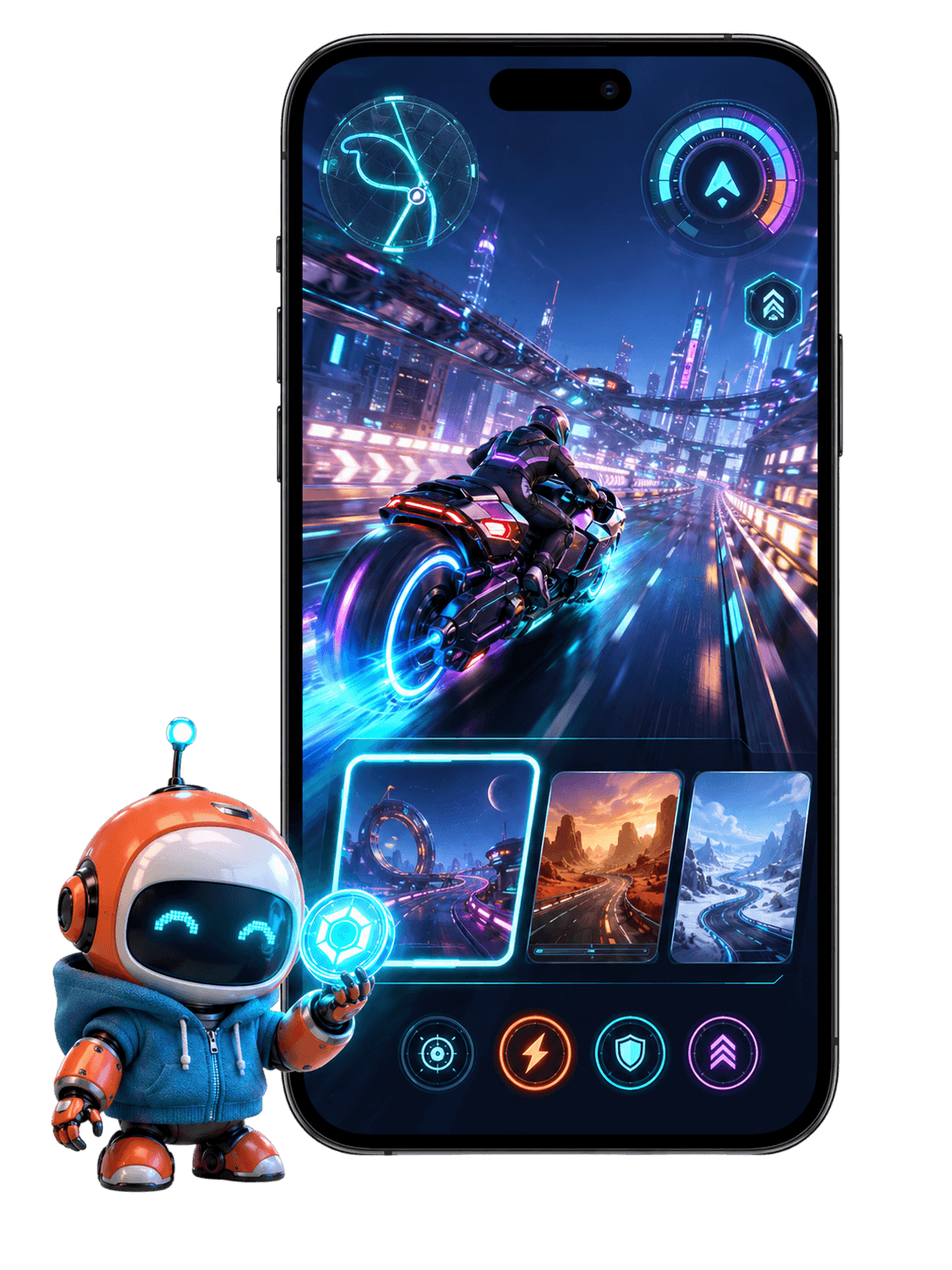
At Trifleck, we turn early concepts into polished, market-ready games built for real players. Our mobile game development company handles strategy, design, engineering, testing, launch, and ongoing support across iOS, Android, web, and cross-platform environments. Whether you’re building from scratch or improving an existing title, our game app development process keeps performance, engagement, and scalability in focus.
Different games demand different skills, technology, and production strategies. Trifleck brings specialized game development services across 2D, 3D, mobile, web, cross-platform, AR, and VR projects, giving you the right development expertise for the experience you want to create.
From concept validation to post-launch support, we manage the entire game app development lifecycle with one coordinated team focused on gameplay, performance, quality, and scalability.
We create visually engaging 2D games with responsive controls, smooth animations, intuitive mechanics, and distinctive art styles tailored to casual, educational, branded, and entertainment experiences.
Our mobile game development team builds immersive 3D environments, characters, interactions, and gameplay systems designed to deliver fluid performance without compromising visual depth or player experience.
As an experienced iOS game development company, Trifleck develops polished, responsive games optimized for Apple devices, combining reliable engineering with seamless controls, performance, and App Store readiness.
Our Android game development company expertise helps brands launch stable, engaging games across diverse Android devices with optimized graphics, responsive gameplay, compatibility testing, and dependable performance.
We build fast, accessible browser-based games that deliver smooth gameplay across modern devices, helping businesses reach players instantly without requiring downloads, installations, or platform-specific barriers.
Our cross-platform game app development services help you reach more players with a consistent experience across devices while reducing unnecessary duplication in development, testing, and maintenance.
We combine augmented reality, interactive mechanics, and real-world environments to create immersive games that encourage exploration, engagement, and memorable player experiences across supported mobile devices.
Trifleck develops immersive VR experiences with intuitive interactions, responsive movement, and performance-focused engineering, helping brands and studios create games that feel natural, engaging, and technically reliable.
Every game starts differently, but the goal stays the same: create an experience players genuinely want to spend time with. Our game app development work brings together strong mechanics, distinctive worlds, thoughtful design, and reliable technology to turn ambitious concepts into memorable playable experiences.
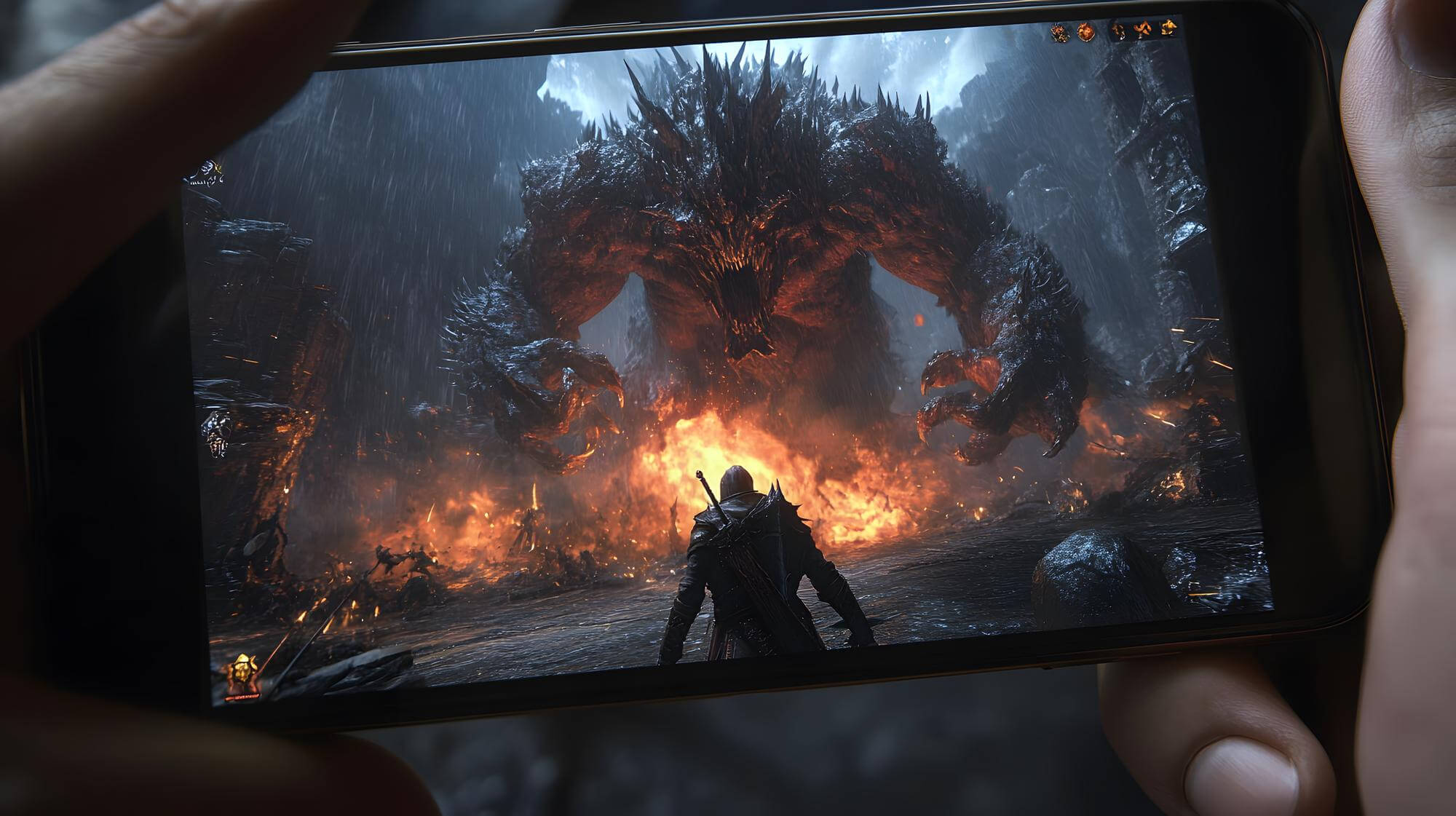
Avelyron Games came to Trifleck with sketches, story ideas, and an ambitious dark-fantasy concept. We shaped it into Shadowbound Trails, a complete mobile action-adventure game featuring touch-optimized combat, handcrafted environments, progression systems, puzzles, and cinematic storytelling. All engineered to deliver smooth performance across mobile devices.
Games invite people to interact instead of simply watch. That extra participation can turn a quick brand touchpoint into a much longer, more meaningful experience.
Progress, rewards, challenges, and unlockable content give players a reason to come back instead of treating the experience as a one-time interaction.
A distinctive game can make your brand easier to recall because people experience it through play, decisions, characters, challenges, and moments they actively take part in.
Product launches, events, promotions, and branded campaigns become far more interactive when audiences have something to explore, complete, compete in, or share.
A custom-built game creates an experience around your own ideas, mechanics, visuals, and brand personality instead of relying on the same formats everyone else is using.
Player behavior can show you what gets attention, where interest drops, and which parts of the experience keep people coming back—useful signals for future decisions.
A custom game gives people something most marketing can’t: a reason to participate. Done well, game app development company can help your brand hold attention longer, create repeat interactions, make campaigns more memorable, and learn more about what your audience actually responds to.
Bring it to Trifleck. We’ll help you figure out whether it has the mechanics, scope, and potential to become something worth building.
Good game app development services should make the build easier to understand, not harder. At Trifleck, each stage answers a different question, from whether the concept works to how it should feel, perform, and launch, so decisions are made before they become expensive problems.
We work through the audience, genre, core loop, features, platform, monetization, technical needs, and commercial goals until the concept has enough clarity to move into production.
The experience starts becoming tangible through player flows, screens, environments, characters, interface decisions, visual direction, and interactions that define how the game should look and feel.
A prototype lets us test the core mechanic early. Controls, pacing, interactions, and technical assumptions can be challenged before the full production budget is committed.
Once the direction holds up, our developers build out the gameplay systems, integrations, progression, backend requirements, multiplayer functionality, and other features needed for the complete experience.
QA goes beyond checking whether buttons work. We test stability, controls, compatibility, gameplay behavior, loading, performance, and edge cases that could interrupt the player experience.
We prepare the game for release, support platform requirements, and continue improving it through fixes, updates, optimization, new features, and performance refinements when the product needs to evolve.
The technology should serve the game, not dictate it. Our game app developers choose engines, frameworks, networking tools, and backend systems around the project’s gameplay, visual direction, target platforms, multiplayer needs, and performance requirements.
Unity is a versatile choice for both 2D and 3D development, especially when a game needs to reach multiple platforms without compromising the core experience. Our mobile game developers use Unity for gameplay mechanics, physics, animation, UI systems, SDK integrations, analytics, in-app purchases, and cross-platform deployment. Its flexible ecosystem also gives us room to fine-tune graphics, memory usage, loading behavior, controls, and overall device performance.
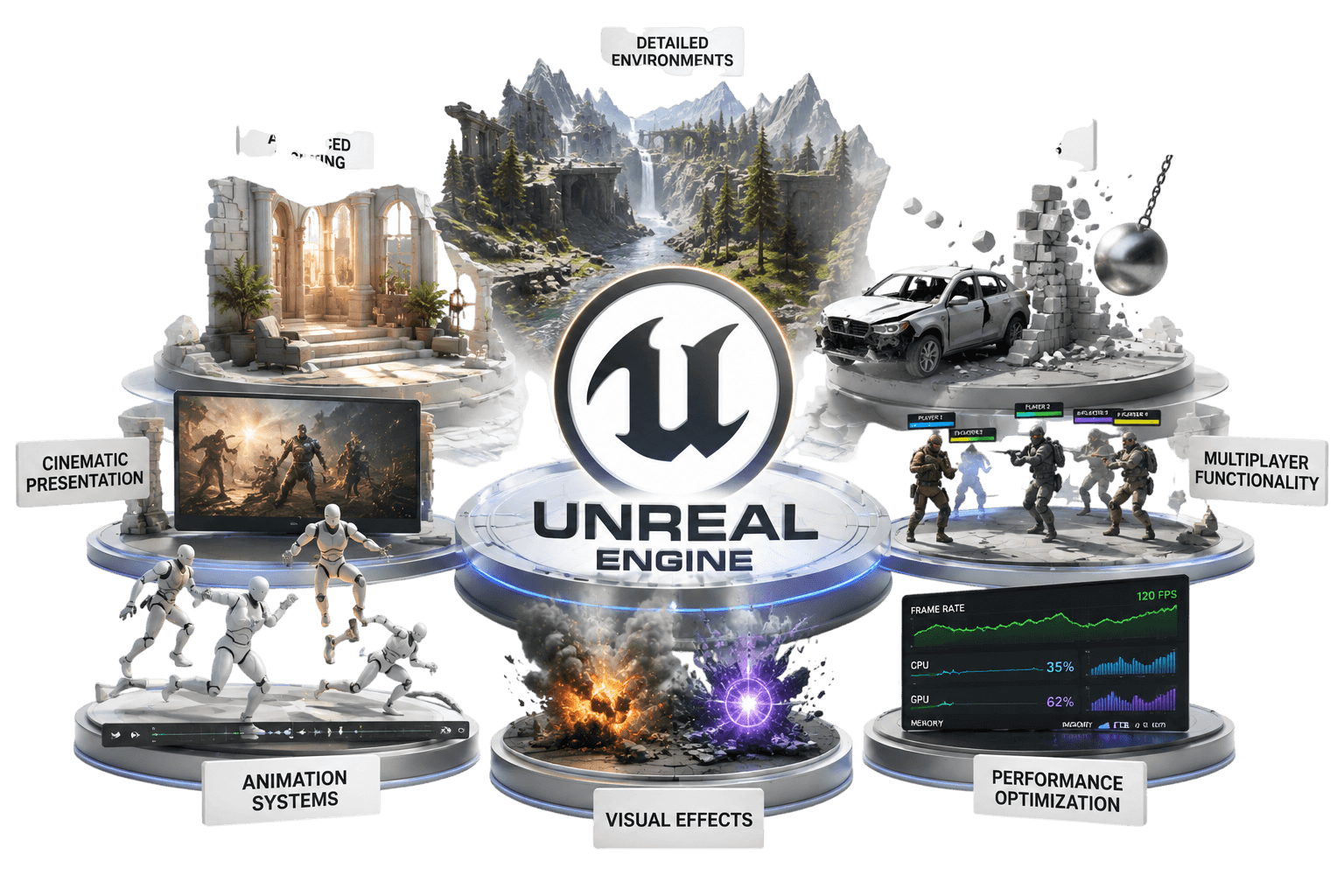
For games that rely on visual fidelity, detailed environments, advanced lighting, physics, or cinematic presentation, Unreal Engine gives our team more room to push the experience. It is particularly effective for ambitious 3D games, simulations, multiplayer titles, and immersive projects where real-time rendering matters. Our developers can also work with animation systems, complex environments, visual effects, multiplayer functionality, and performance optimization to keep high-end experiences responsive and playable.
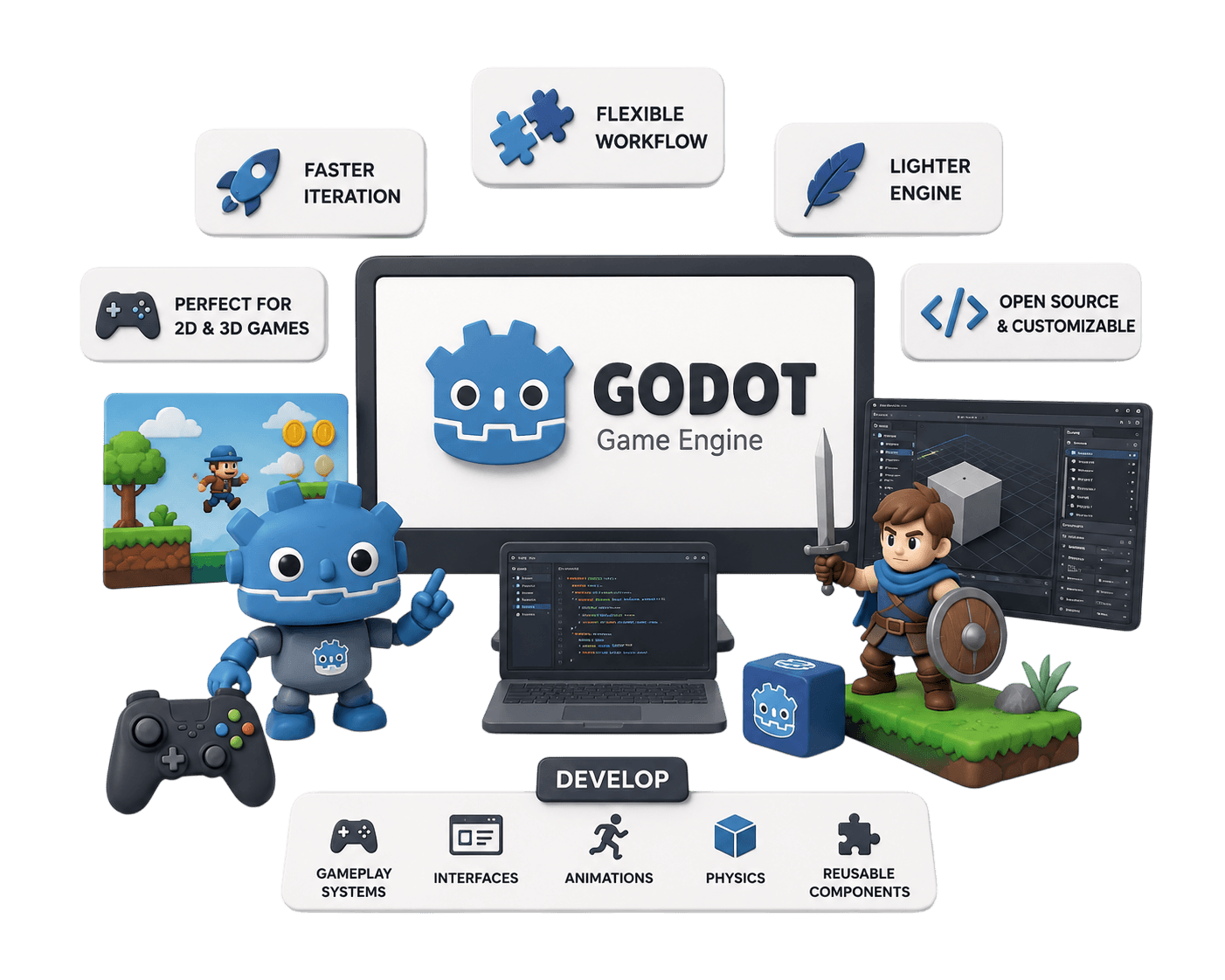
Godot can be a smart fit for projects that need a lighter engine, faster iteration, and more flexibility during production. It works especially well for 2D games, prototypes, indie-style titles, platformers, and selected 3D experiences. Depending on the scope, our game app developers can use Godot to build gameplay systems, interfaces, animations, physics, and reusable components while maintaining an efficient development workflow that makes testing and iteration easier.
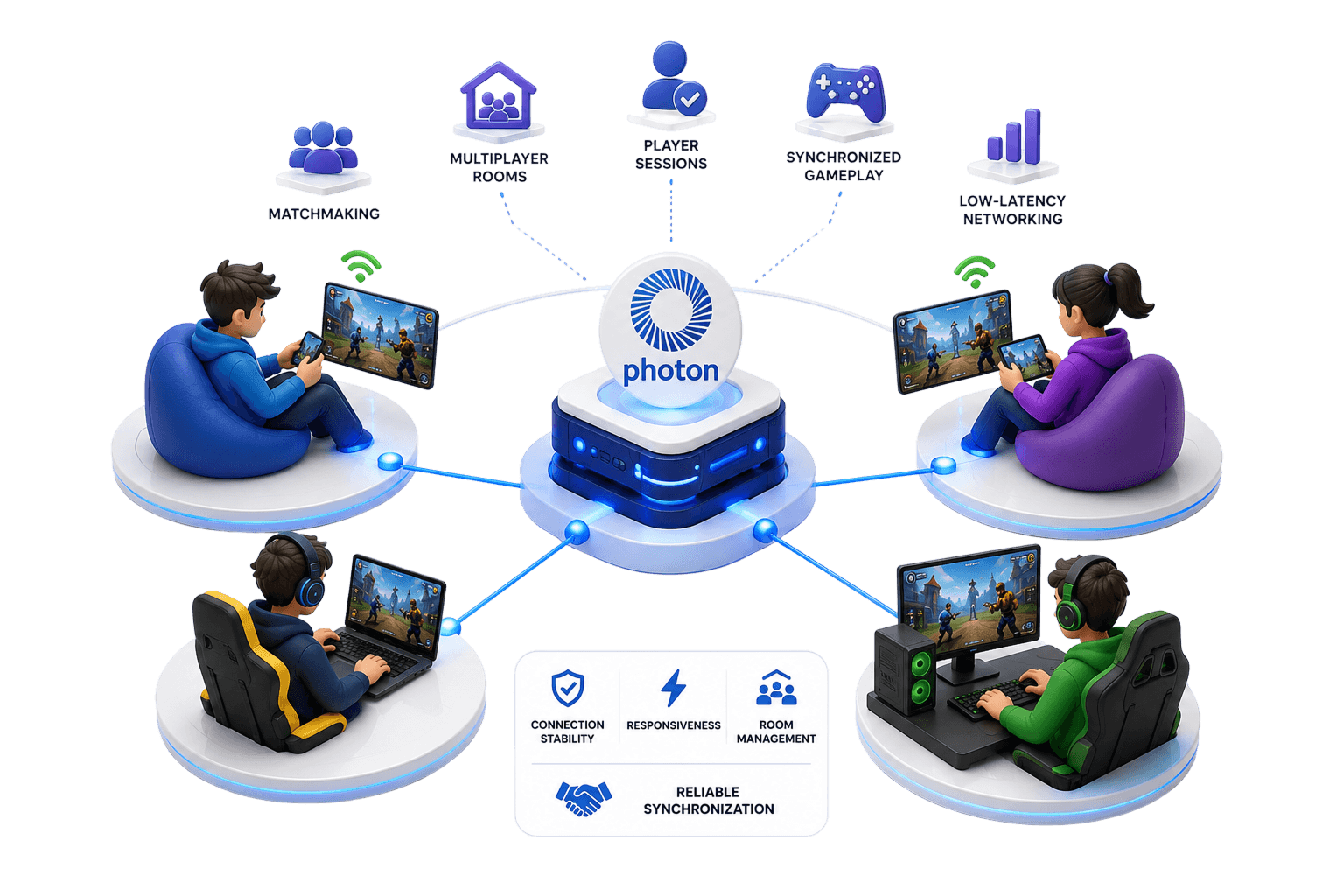
Real-time multiplayer depends heavily on what players never see. Photon can support matchmaking, multiplayer rooms, player sessions, synchronized gameplay, and low-latency networking across connected devices. For multiplayer game app development, our developers use networking technologies like Photon to help keep player actions consistent during live sessions. It can also support competitive and cooperative experiences where connection stability, responsiveness, room management, and reliable synchronization directly affect the quality of gameplay.
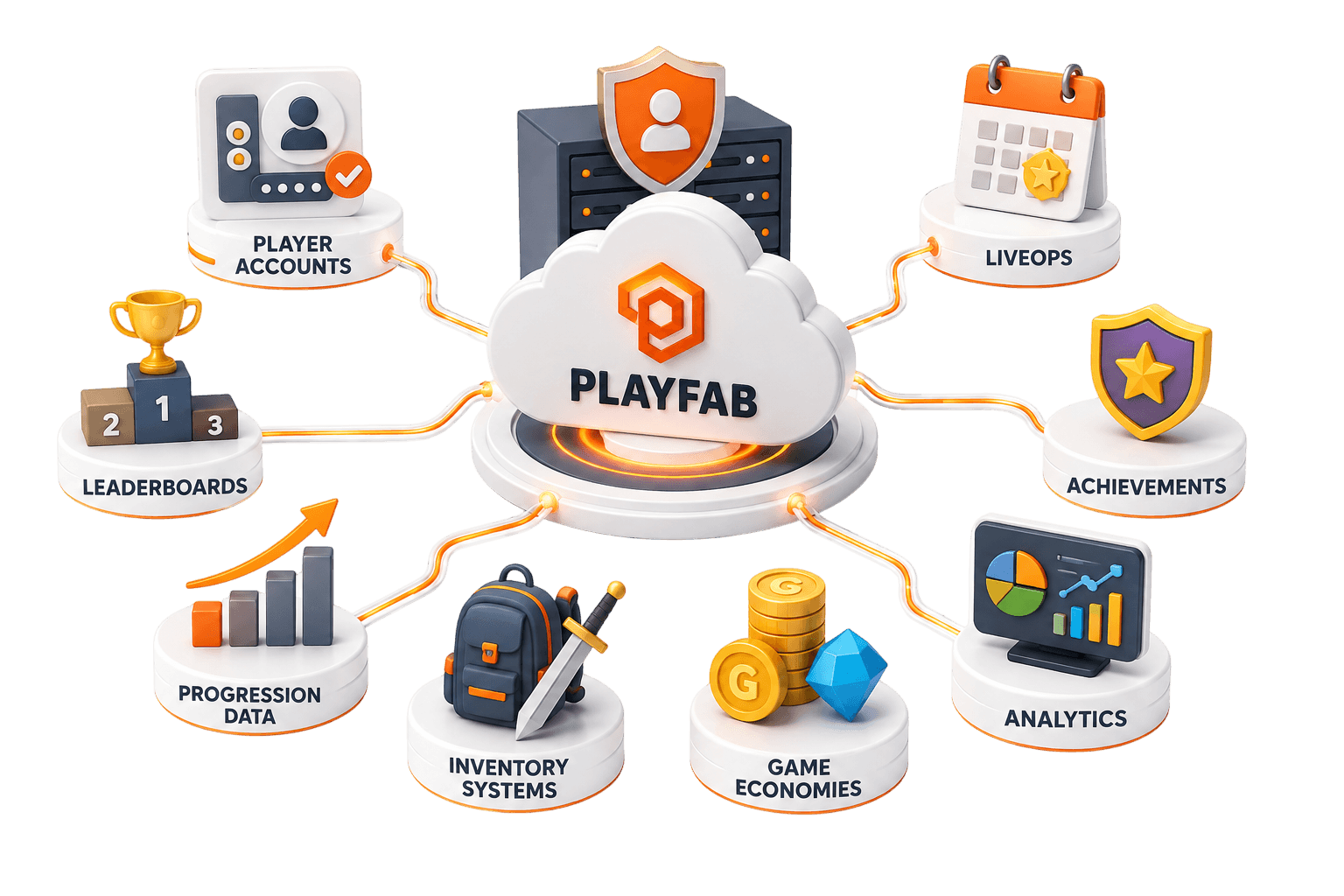
Modern games often need persistent systems operating behind the gameplay itself. PlayFab can support player accounts, leaderboards, progression data, inventory systems, game economies, analytics, achievements, LiveOps, and other backend services. As part of our game development services, it helps our team manage features that continue beyond individual sessions while giving growing games the infrastructure needed to track player activity, support updates, manage content, and evolve over time.
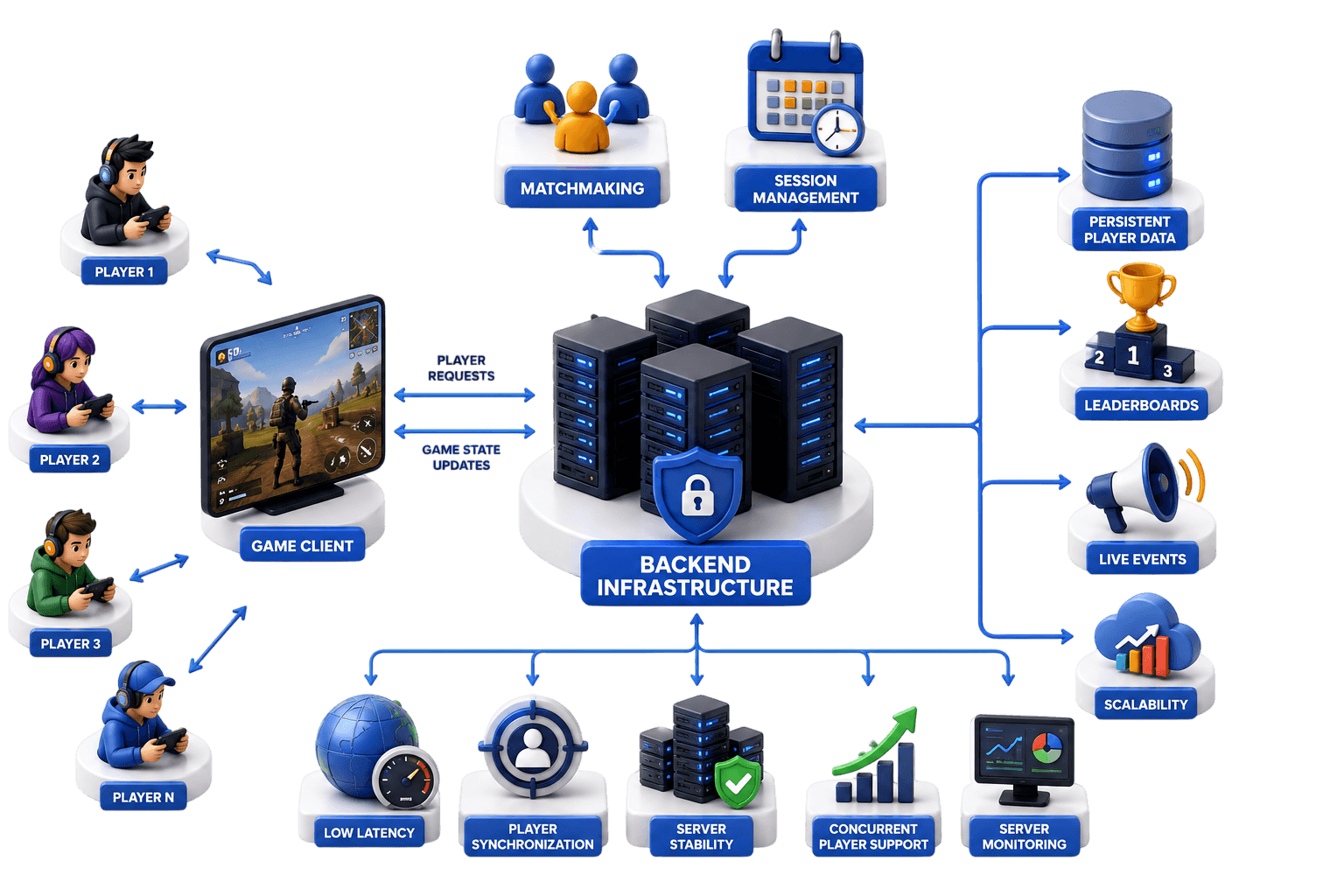
When a game needs dedicated servers, session management, concurrent player support, or more complex multiplayer architecture, development has to extend well beyond the game client. Our team plans backend infrastructure around latency, matchmaking, player synchronization, scalability, server stability, and changing player demand. Depending on the project, we can also account for persistent player data, leaderboards, live events, server monitoring, and the systems required to keep online gameplay reliable as the community grows.
Different genres ask different things from players. A casual game needs instant clarity, an action title needs responsive controls, and a multiplayer experience has to stay reliable under pressure. Our mobile game development work spans different mechanics, art styles, progression systems, and player expectations.
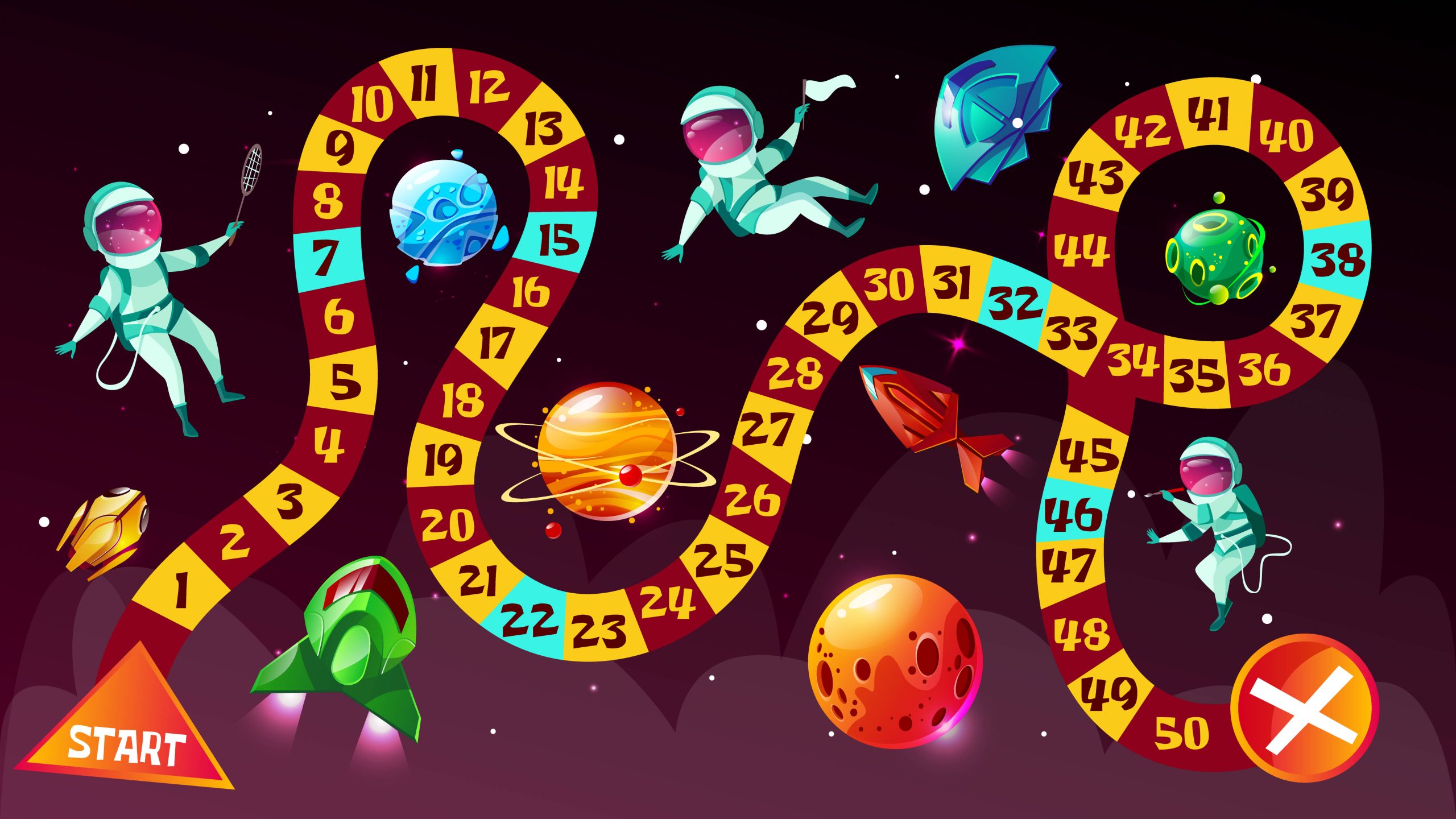
We bring strategy and board-game concepts into digital environments with clear rules, turn-based mechanics, scoring systems, AI opponents, multiplayer options, progression, and interfaces that keep complex decisions easy to follow.
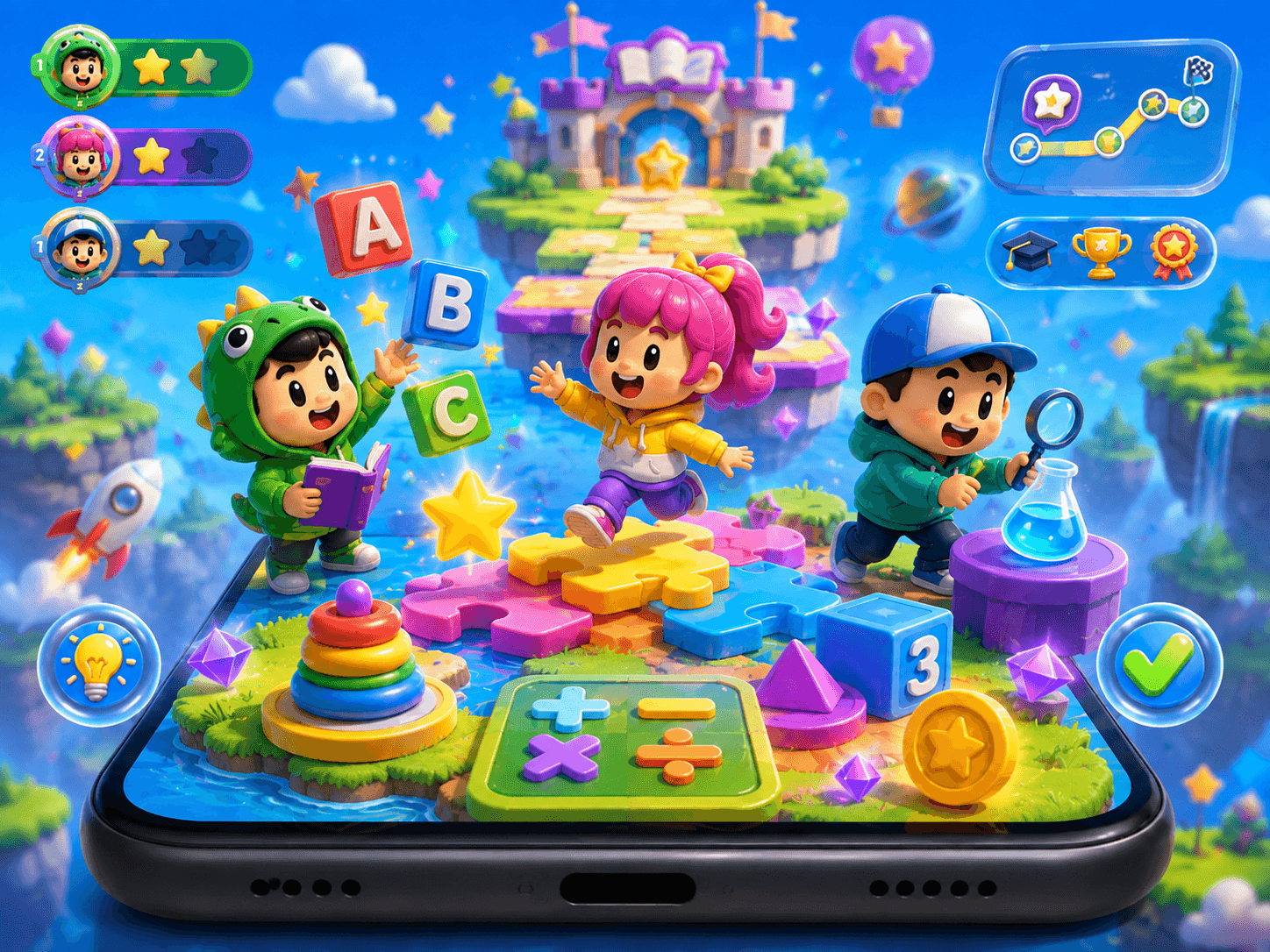
We turn learning objectives into interactive challenges, puzzles, rewards, feedback systems, and progression. The goal is to make the player engage with the subject rather than simply consume information on a screen.
For blockchain-enabled projects, we can integrate digital ownership, wallets, marketplaces, token-based systems, NFTs, and other Web3 features while keeping the actual gameplay at the center of the experience.
We come up with action titles that provide pure adrenaline. The fluid character movement, heavy combat scenes, and stories keep players fully engaged.
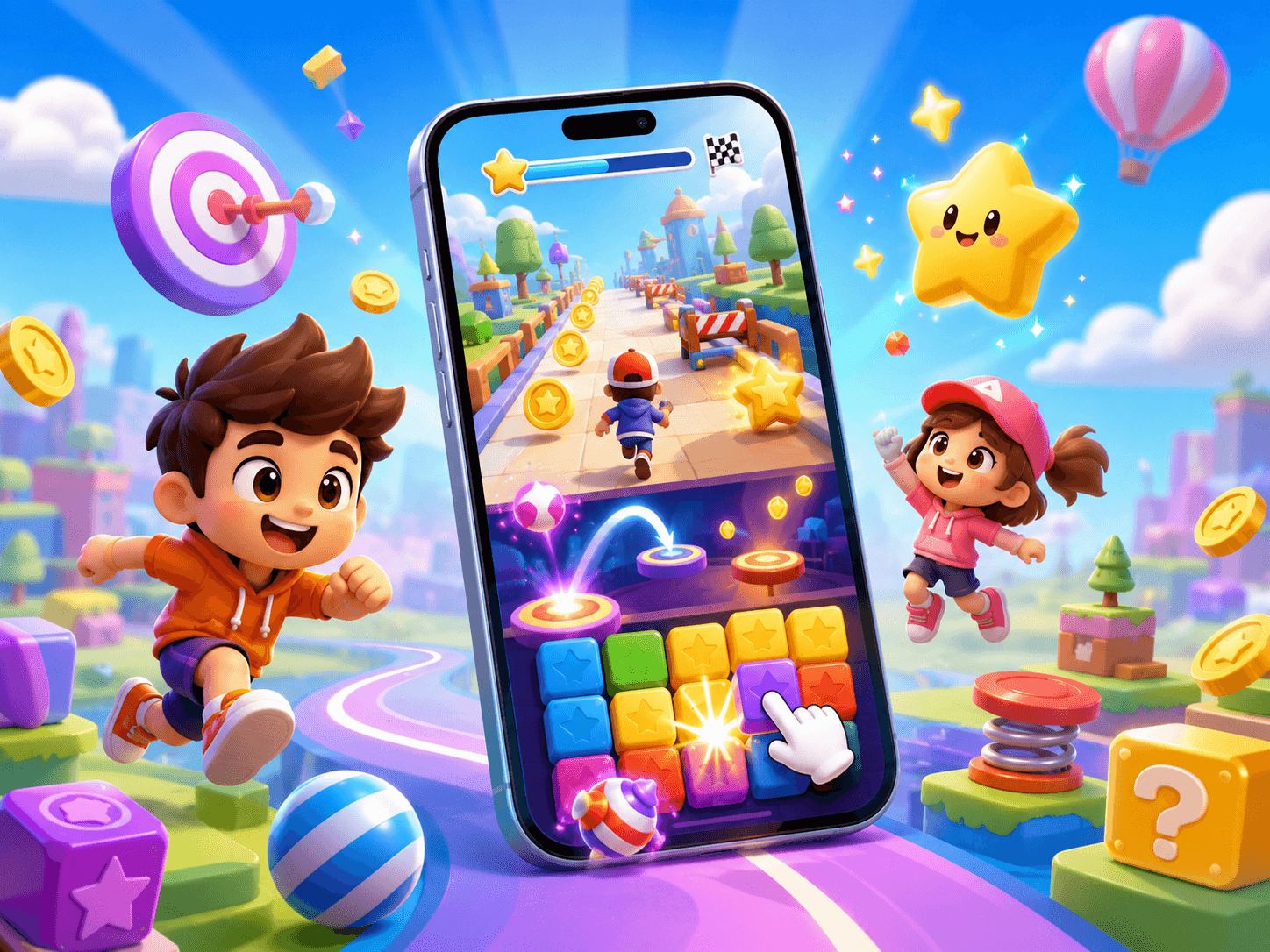
Simple games still need careful design. We create casual and hyper-casual experiences with intuitive controls, short sessions, satisfying feedback, lightweight progression, and replayable mechanics that are easy to learn.
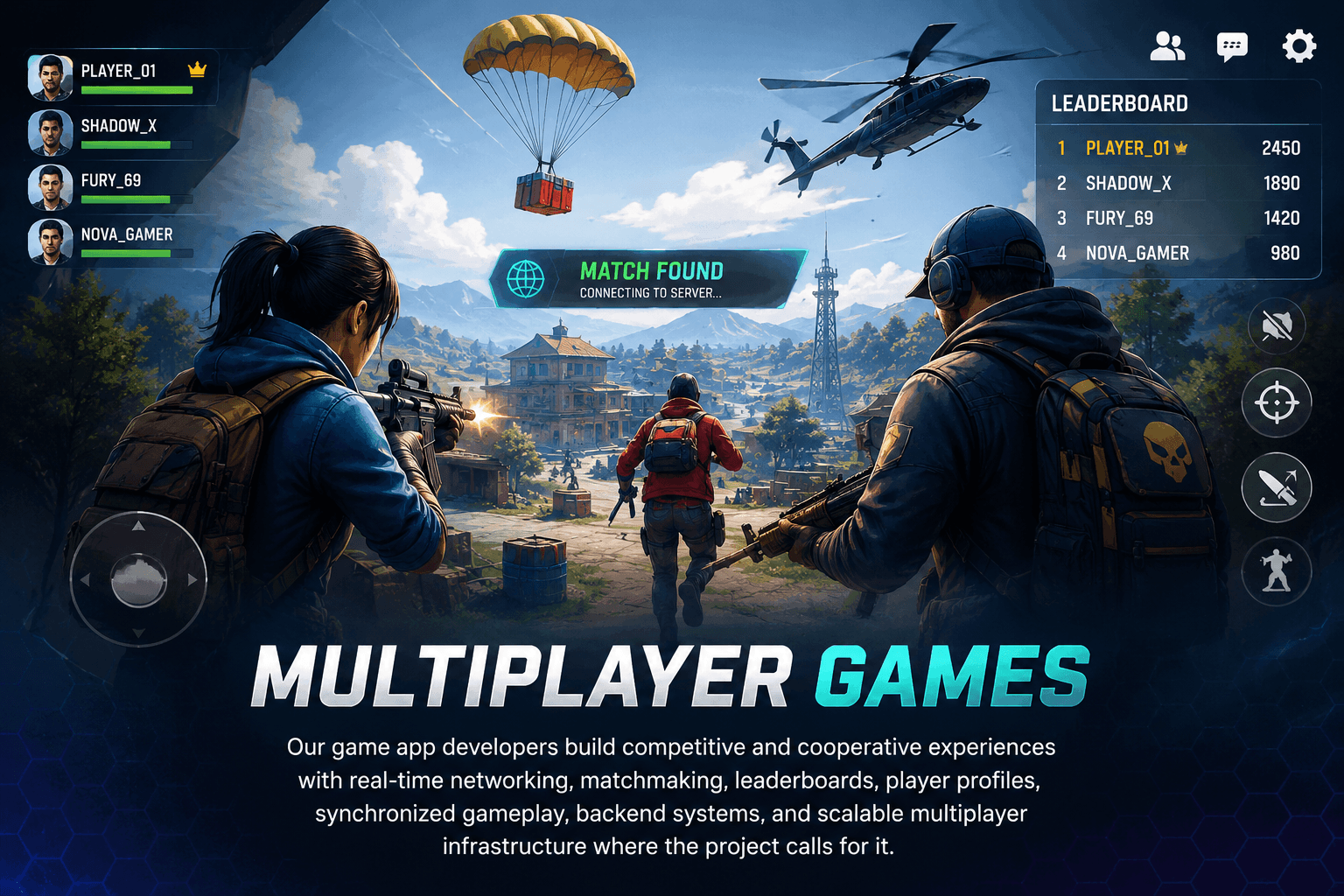
Our game app developers build competitive and cooperative experiences with real-time networking, matchmaking, leaderboards, player profiles, synchronized gameplay, backend systems, and scalable multiplayer infrastructure where the project calls for it.
A game can look identical on two devices and still feel completely different to play. Our game app development approach accounts for controls, hardware, screen behavior, operating-system requirements, monetization, store policies, testing, and performance so each release feels built for its platform.
As an Android game development company, Trifleck builds for an ecosystem where hardware, memory, processors, and screen sizes can vary widely. Our developers focus on device compatibility, graphics optimization, responsive controls, SDK integrations, loading performance, testing, and Google Play release requirements.

Our iOS game development company expertise covers gameplay built around Apple devices and platform expectations. We pay close attention to interface behavior, performance, in-app purchases, device testing, optimization, and the requirements involved in preparing a polished App Store release.
Cross-platform development can reduce duplicated effort when a game needs to reach both Android and iOS. Our app development services help maintain consistent gameplay, progression, backend behavior, features, and visual identity while still accounting for the technical differences between platforms.
The cost of game app development depends on what players will see and what has to work behind the scenes. Game type, art style, number of levels, multiplayer features, backend infrastructure, platform coverage, monetization, and technical complexity can all influence the final development budget.
A focused game with straightforward mechanics, 2D visuals, a limited number of screens or levels, basic sound design, and minimal backend requirements usually sits at the lighter end of production.
Games with custom UI/UX, multiple levels, progression systems, polished animation, in-app purchases, player profiles, analytics, backend integrations, or more detailed 2D and 3D assets require a broader production scope.
Real-time multiplayer, matchmaking, dedicated servers, advanced 3D environments, complex gameplay systems, custom backends, live economies, AR/VR features, or extensive content can push mobile game development into a significantly larger investment.
Got an app idea? Let’s discuss it so we can create a custom package and realistic timeline built just for you.
A game can work perfectly and still fail to hold attention. That is why Trifleck looks beyond code when delivering game development services. We think about the core gameplay loop, player progression, difficulty, monetization, performance, and what gives someone a reason to open the game again tomorrow.
Our designers, engineers, mobile game developers, and QA specialists work toward the same product goal: create an experience that feels good to play, makes technical sense to maintain, and has room to evolve after release.
Professional game app development services come down to more than technical capability. You also need clear ownership, smart product decisions, reliable communication, and developers who understand what can make or break the player experience.
We challenge features, mechanics, and assumptions when needed, because building everything on a wish list does not automatically make the game better.
Design, game programming, backend development, QA, and project coordination stay connected, reducing the gaps that appear when production is split between disconnected teams.
Our game app developers consider memory, loading time, frame rate, controls, screen behavior, and hardware differences instead of optimizing only for ideal test environments.
Matchmaking, latency, synchronization, server stability, and concurrent users are considered as product requirements, not technical details to solve at the last minute.
In-app purchases, rewarded ads, game economies, subscriptions, or premium models should support the player experience. We plan monetization around the game instead of forcing it into every screen.
Clear milestones, reviews, playable builds, and structured feedback help keep decisions visible throughout production instead of leaving clients guessing about project progress.
Testing covers gameplay behavior, devices, integrations, performance, edge cases, and stability so the release build is tested as something players will actually use.
Scalable architecture, maintainable systems, analytics, LiveOps, and modular features make it easier to add content, improve performance, and respond to player behavior after launch.
Based On Clutch Review
The best partnerships start with understanding what needs to be built and why it matters. Trifleck works with businesses across different industries to turn product ideas, operational needs, and digital opportunities into experiences built with purpose.
A mobile game development company turns a game concept into a playable product for smartphones and tablets. This can include game design, UI/UX, 2D or 3D art, gameplay programming, backend development, multiplayer features, QA testing, performance optimization, App Store and Google Play deployment, plus post-launch updates and support.
The cost of mobile game development depends on the game’s scope, platforms, art style, gameplay mechanics, number of levels, backend requirements, multiplayer features, monetization, and overall technical complexity. A focused 2D game will usually require a smaller investment than a large 3D or real-time multiplayer title. Trifleck estimates projects after reviewing the actual requirements.
Game app development can take anywhere from a few months to significantly longer for complex projects. The timeline depends on features, game art, number of platforms, multiplayer functionality, backend systems, content volume, testing, and approval requirements. A prototype or MVP can often be produced earlier so the core gameplay can be tested before full production.
Yes. A single game can be developed for both Android and iOS using a cross-platform approach when the project requirements allow it. Trifleck’s game app developers work with engines such as Unity and other suitable technologies to maintain consistent gameplay while accounting for device performance, screen sizes, controls, SDKs, Google Play requirements, and Apple App Store guidelines.
Choose a game development company based on relevant work, technical capability, communication, process, and understanding of player experience, not just price. Look for mobile game developers who can discuss gameplay mechanics, game engines, art production, backend architecture, QA, monetization, performance, and post-launch needs clearly. You should understand who is building the product and how progress will be reviewed.
Game app development services can cover the complete production cycle, including concept planning, game design, prototyping, UI/UX, character and environment design, game programming, backend integrations, multiplayer development, QA, device testing, performance optimization, deployment, and post-launch support. The exact scope depends on what the game needs rather than a fixed package.
Fill out form below with your details to start conversation with our expert.